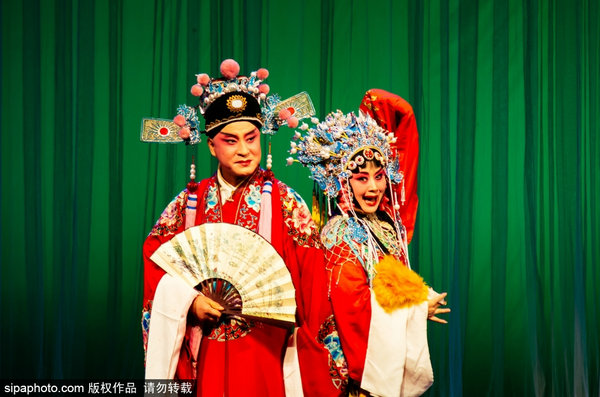
Qinqiang Opera Festival
Overview
The Qinqiang Opera Festival is a celebration dedicated to Qinqiang Opera, a traditional Chinese opera form known for its rich historical roots and cultural significance. The festival is primarily held in Xi'an, Shaanxi province, the heartland of Qinqiang Opera, and has become a significant cultural event attracting performers, enthusiasts, and tourists from across China and beyond.
Origins of Qinqiang Opera Festival
The inaugural Qinqiang Opera Festival was held in Xi'an, Shaanxi province, in 2000, establishing a central platform for the promotion and celebration of Qinqiang Opera. Since then, the festival has taken place every two years, with each edition serving as a testament to the enduring appeal and cultural significance of this traditional art form. The event features performances, competitions, and exhibitions that showcase both its rich history and its vibrant contemporary presence.
Historical Background of Qinqiang Opera
Qinqiang Opera is recognized as one of the oldest and most extensive musical systems in China. Its origins can be traced back to the Yellow River Valley in Shaanxi and Gansu provinces, regions that are considered cradles of Chinese civilization.
Cultural Significance and Themes
Qinqiang Opera serves as a medium to portray various socially and morally significant themes, such as the conflict between loyalty and treachery, and struggles against oppression. These narratives highlight the core values of honesty, diligence, bravery, and integrity that characterize the people of the region. The opera's repertoire reflects the vibrant emotional spectrum and human interest stories, making it one of the earliest operatic forms to deeply explore human emotions.
Performance Characteristics
Qinqiang Opera is renowned for its sonorous, bold, and touching songs, enhanced by a vibrant and elegant musical style. The performances are marked by their simplicity, boldness, and lively expressiveness, incorporating unique skills such as spitting fire and performing hat dances. The opera categorizes its roles into 13 types: four types of sheng (male roles), six types of dan (female roles), two types of jing (painted-face roles), and one type of chou (clown role). The performance style is exaggerated yet refined, creating a distinct and profound theatrical experience.
Influence on Other Operatic Forms
Qinqiang Opera has had a profound influence on other Chinese operatic forms, such as the Peking Opera. Its introduction to Beijing during the Qing Dynasty (1644-1911) played a pivotal role in shaping the latter, as Qinqiang troupes spread their influence throughout the country. The operatic system is known for its unique artistic expressions, including a diverse range of arias and performing techniques that have had a lasting impact on Chinese opera.
Present and Future of Qinqiang Opera
Today, cultural experts and enthusiasts continue to work diligently to preserve and promote Qinqiang Opera as a significant intangible cultural heritage. The Qinqiang Opera Festival serves as a vibrant platform for showcasing this traditional art form, fostering innovation and development while ensuring its continued relevance and appreciation among new generations. Article reference1. All you need to know about Qinqiang Opera. chinadaily.com.cn. 20232. Qinqiang Opera Arts Festival closes in Xi'an. chinaservicesinfo.com. 20223. Qinqiang Opera sheds light on history of Western Han Dynasty. chinaservicesinfo.com. 2024Photo Gallery(9 pictures)CategoriesArtsTagOpera and DramaCatalogue1. Overview2. Origins of Qinqiang Opera Festival3. Historical Background of Qinqiang Opera4. Cultural Significance and Themes5. Performance Characteristics6. Influence on Other Operatic Forms7. Present and Future of Qinqiang Opera- - - []








